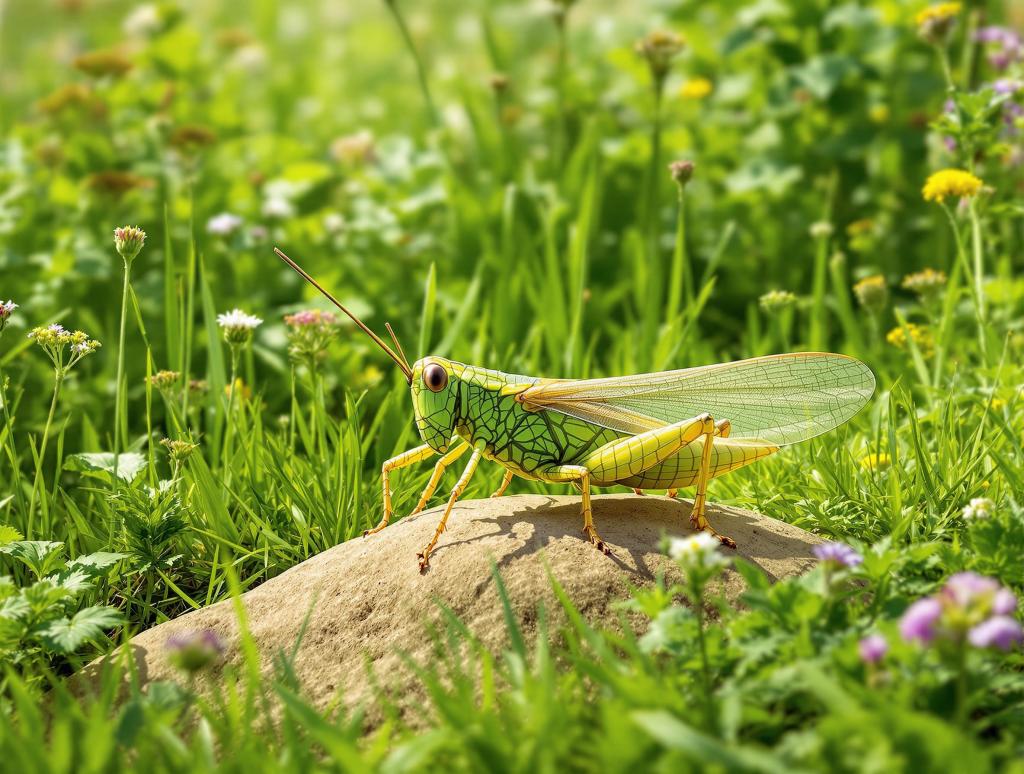
Introduction: The Surprising World of Grasshopper Gastronomy
When you think of grasshoppers, you might picture them as simple plant-eating insects hopping through meadows. However, the dietary habits of these fascinating creatures are far more complex and diverse than most people realize. Grasshoppers have a varied and diverse diet, primarily consisting of grasses, leaves, and other plant matter. However, they also supplement their plant-based meals with the occasional insect or bit of decaying organic material.
Understanding what grasshoppers eat is crucial for farmers, gardeners, ecologists, and anyone interested in the intricate web of life that surrounds us. These remarkable insects play a vital role in ecosystems worldwide, and their feeding habits can significantly impact both natural environments and agricultural systems. From their preferred grasses to their occasional carnivorous tendencies, grasshoppers demonstrate an adaptability that has helped them thrive across diverse habitats for millions of years.
In this comprehensive guide, we’ll explore every aspect of grasshopper nutrition, from their basic dietary needs to their role in ecosystem dynamics. Whether you’re dealing with grasshoppers in your garden, studying them in the wild, or simply curious about these remarkable insects, this article will provide you with the knowledge you need to understand their feeding behaviors and ecological importance.
Understanding Grasshopper Basics: Anatomy and Feeding Mechanisms
The Grasshopper’s Digestive System
Before diving into what grasshoppers eat, it’s essential to understand how they process their food. Grasshoppers possess a specialized digestive system designed to break down plant matter efficiently. Their mandibles, or jaws, are particularly strong and adapted for cutting through tough plant fibers. These powerful chewing mouthparts allow them to consume everything from tender young leaves to relatively tough stems and seeds.
The grasshopper’s digestive tract consists of three main sections: the foregut, midgut, and hindgut. The foregut includes the crop, where food is temporarily stored and softened. The midgut is where most digestion occurs, with specialized enzymes breaking down cellulose and other plant compounds. The hindgut completes the process, extracting remaining nutrients and water before waste elimination.
Feeding Behavior Patterns
Grasshoppers are primarily diurnal feeders, meaning they’re most active during daylight hours. Grasshoppers are most active during the day, taking advantage of warmer temperatures to move efficiently and locate food sources. Their feeding patterns are influenced by temperature, humidity, and food availability.
These insects employ a strategy called « selective feeding, » where they choose the most nutritious plant parts available. Young, tender leaves are preferred over older, tougher vegetation because they contain higher protein levels and are easier to digest. This selective behavior helps grasshoppers maximize their nutritional intake while minimizing energy expenditure.
Primary Diet: What Grasshoppers Eat in Nature
Grasses: The Foundation of Grasshopper Nutrition
Grasshoppers are herbivorous insects, and they primarily feed on plant materials. They are known for their voracious appetite for a wide range of plants, including grasses, leaves, flowers, vegetables, weeds, shrubs, and, in some cases, young tree leaves and shoots. Grasses form the cornerstone of most grasshopper diets, and for good reason. These plants are abundant, accessible, and provide essential nutrients.
Common grass species consumed by grasshoppers include:
Cool-Season Grasses:
- Bluegrass (Poa species)
- Fescue (Festuca species)
- Timothy (Phleum pratense)
- Ryegrass (Lolium species)
Warm-Season Grasses:
- Bermuda grass (Cynodon dactylon)
- Buffalo grass (Poaceae family)
- Switchgrass (Panicum virgatum)
- Prairie grasses (various species)
Their diet comprises the grasses of the genera Agrostis, Anthoxanthum, Dactylis, Holcus, and Lolium. These grass species provide the carbohydrates and fiber that grasshoppers need for energy and proper digestion.
Leaves and Foliage: Beyond Grasses
While grasses are preferred, grasshoppers don’t limit themselves to these plants. They consume leaves from a wide variety of plants, including:
- Broadleaf weeds and wildflowers
- Shrub and small tree leaves
- Crop plants (when available)
- Garden vegetables
- Ornamental plants
The nutritional value of leaves varies significantly based on the plant species, age of the leaf, and environmental conditions. Young leaves typically contain higher protein levels and lower fiber content, making them more attractive to grasshoppers.
Flowers and Seeds: Seasonal Delicacies
They mostly eat leaves, but also flowers, stems and seeds. Flowers and seeds represent particularly nutritious food sources for grasshoppers, often containing concentrated proteins, oils, and other essential nutrients. During flowering seasons, grasshoppers may preferentially seek out these plant parts.
Popular flower sources include:
- Sunflowers
- Dandelions
- Clover blossoms
- Wildflower varieties
- Garden flowers
Seeds provide concentrated nutrition and are especially valuable during late summer and fall when grasshoppers are preparing for reproduction or overwintering.
Crop Plants and Agricultural Impact
Major Crop Preferences
Like other grasshopper species, green grasshoppers also like to eat clover, wheat, corn, alfalfa, barley, and oats. Agricultural crops often represent high-quality food sources for grasshoppers due to their consistent nutrient content and accessibility.
Cereal Crops:
- Wheat
- Corn (maize)
- Barley
- Oats
- Rice
- Sorghum
Legume Crops:
- Alfalfa
- Clover
- Soybeans
- Peas
- Lentils
Vegetable Crops:
- Lettuce
- Cabbage
- Tomatoes
- Peppers
- Beans
Economic Impact on Agriculture
Grasshoppers compete with cattle and other herbivores (including wildlife like deer and elk) for forage and are more likely to become a threat in areas with less than 30 inches of rainfall annually. They can consume up to 50% of their body weight each day in forage, making them significant agricultural concerns in certain regions.
The economic impact of grasshopper feeding on crops can be substantial:
- Direct Damage: Loss of crop yield through defoliation
- Quality Reduction: Damage to plant structure affects marketability
- Increased Costs: Additional pest management expenses
- Livestock Impact: Reduced pasture quality affects animal nutrition
Grasshoppers can become a problem in pulse crops in years of hot, dry weather. Their populations can build up to extreme numbers resulting in excessive defoliation, and pod and seed damage to pulses.
Factors Influencing Crop Damage
Several environmental and biological factors influence the extent of grasshopper damage to crops:
Environmental Factors:
- Temperature and humidity levels
- Rainfall patterns
- Soil conditions
- Seasonal weather patterns
Biological Factors:
- Grasshopper population density
- Availability of alternative food sources
- Crop growth stage
- Plant stress levels
Omnivorous Tendencies: Beyond Plant Matter
Occasional Carnivorous Behavior
While grasshoppers are primarily herbivorous, many species exhibit opportunistic omnivorous behaviors. Most grasshoppers are polyphagous, eating vegetation from multiple plant sources e.g pea plant leaves , but some are omnivorous and also eat animal tissue and animal meat.They also like to eat other bugs.
Animal Protein Sources:
- Dead insects (carrion)
- Smaller live insects
- Insect eggs
- Small invertebrates
Green grasshoppers have also been observed eating mosquitoes. This behavior is particularly common when plant food sources are scarce or when grasshoppers need additional protein for reproduction or development.
Scavenging Behavior
Sometimes they also scavenge dead insects for extra protein. Scavenging provides grasshoppers with essential amino acids that may be lacking in their plant-based diet. This behavior is especially important during breeding seasons when protein requirements increase.
Cannibalistic Tendencies
Under extreme conditions, some grasshopper species may exhibit cannibalistic behavior, particularly:
- During severe food shortages
- In overcrowded conditions
- When stressed by environmental factors
- During molting when individuals are vulnerable
Seasonal Variations in Grasshopper Diet
Spring Feeding Patterns
During spring, grasshoppers emerge from their overwintering stages (as eggs or nymphs) and begin actively feeding. Early spring diets typically consist of:
- Young grass shoots
- Emerging wildflowers
- Tender tree buds
- Early weeds and forbs
The nutritional quality of spring vegetation is generally high due to the rapid growth and high protein content of young plants.
Summer Dietary Preferences
Summer represents the peak feeding season for grasshoppers. If they can’t find their favorite grain to munch on, grasshoppers will also eat grasses, flowers, and leaves. During this period, they have access to the greatest variety of food sources:
- Mature grasses and cereals
- Abundant flowers and seeds
- Crop plants at various growth stages
- Diverse wildflower species
Fall Feeding Strategies
As temperatures cool and food sources become scarce, grasshoppers adapt their feeding strategies:
- Focus on seed production areas
- Consume dried plant material
- Seek out late-season flowers
- Increase scavenging behavior
Winter Survival Adaptations
In regions where grasshoppers remain active during winter, their diet becomes highly restricted:
- Dried grasses and stems
- Bark and woody material (rarely)
- Any available green vegetation
- Increased reliance on stored body fat
Species-Specific Dietary Differences
Short-Horned Grasshoppers (Acrididae)
One particular grasshopper – the Shorthorn grasshopper only eats plants, but it can go berserk and eat every plant in sight. These grasshoppers are strictly herbivorous and include many agricultural pest species.
Common Species:
- Migratory grasshopper (Melanoplus sanguinipes)
- Differential grasshopper (Melanoplus differentialis)
- Two-striped grasshopper (Melanoplus bivittatus)
- Red-legged grasshopper (Melanoplus femurrubrum)
Long-Horned Grasshoppers (Tettigoniidae)
Long-horned grasshoppers, also known as katydids, often exhibit more diverse feeding habits:
- Greater tendency toward omnivory
- More likely to consume other insects
- Preference for flowers and seeds
- Some species are primarily carnivorous
Specialized Feeders
Some grasshopper species have evolved specialized feeding preferences:
Grass Specialists:
- Primarily consume grasses
- Highly efficient at processing cellulose
- Often associated with specific grass species
Forb Specialists:
- Prefer broadleaf plants
- May specialize in particular plant families
- Often found in diverse plant communities
Nutritional Requirements and Feeding Frequency
Essential Nutrients for Grasshoppers
Grasshoppers require a balanced diet containing:
Macronutrients:
- Carbohydrates (40-60% of diet)
- Proteins (15-25% of diet)
- Fats (5-15% of diet)
- Fiber (10-20% of diet)
Micronutrients:
- Nitrogen compounds
- Phosphorus
- Potassium
- Calcium
- Magnesium
- Trace minerals
Daily Feeding Requirements
They can consume up to 50% of their body weight each day in forage, making them remarkably efficient consumers. This high consumption rate is necessary due to:
- Low nutritional density of plant material
- High metabolic requirements
- Rapid growth rates in nymphs
- Energy needs for movement and reproduction
Feeding Frequency
Grasshoppers typically feed multiple times throughout the day:
- Morning feeding: Primary feeding period
- Midday rest: Seeking shade during hot periods
- Afternoon feeding: Secondary feeding session
- Evening activity: Light feeding before roosting
Environmental Factors Affecting Diet
Temperature Influences
Temperature significantly affects grasshopper feeding behavior:
Optimal Temperature Range (75-85°F):
- Maximum feeding activity
- Efficient digestion
- Active foraging behavior
High Temperature Effects (>95°F):
- Reduced feeding activity
- Seeking shade and cooler areas
- Decreased metabolic efficiency
Low Temperature Effects (<60°F):
- Minimal feeding activity
- Reduced mobility
- Reliance on stored energy
Humidity and Moisture
Grasshoppers obtain most of their water from the plants they consume. Humidity levels affect:
- Plant water content
- Grasshopper water requirements
- Feeding frequency
- Plant selection preferences
Soil Conditions
Soil quality indirectly affects grasshopper diet by influencing:
- Plant nutritional content
- Vegetation density
- Species diversity
- Overall ecosystem health
Ecological Role and Ecosystem Impact
Positive Ecological Functions
Grasshoppers can also help control the growth of weeds and volunteer plants that may compete with crops for resources. Their feeding activities contribute to ecosystem health in several ways:
Nutrient Cycling:
- Breaking down plant matter
- Returning nutrients to soil through waste
- Facilitating decomposition processes
Plant Population Control:
- Preventing overgrowth of certain species
- Maintaining plant diversity
- Creating opportunities for other species
Food Web Support:
- Providing food for birds, reptiles, and mammals
- Supporting predator populations
- Contributing to biodiversity
Negative Ecological Impacts
In some situations, grasshopper feeding can have detrimental effects:
Overgrazing:
- Reducing plant cover
- Soil erosion problems
- Loss of plant diversity
Invasive Species Support:
- Preferential feeding on native plants
- Allowing invasive species to establish
- Disrupting natural plant communities
Research Insights
Grasshoppers increase N and ANPP by preferentially feeding on slower decomposing plants, and the opposite occurs by preferentially feeding on faster decomposing plants. This selective feeding behavior affects ecosystem functioning and nutrient cycling patterns.
Practical Applications and Management
Garden and Landscape Management
Understanding grasshopper diet helps in developing effective management strategies:
Preventive Measures:
- Removing preferred food sources
- Maintaining healthy plant diversity
- Regular monitoring of grasshopper populations
- Timing of planting and harvesting
Natural Control Methods:
- Encouraging beneficial insects
- Providing habitat for grasshopper predators
- Using companion planting strategies
- Maintaining ecosystem balance
Agricultural Pest Management
For farmers dealing with grasshopper infestations:
Integrated Pest Management (IPM):
- Monitoring grasshopper populations
- Economic threshold determination
- Biological control methods
- Targeted pesticide applications
Cultural Controls:
- Crop rotation strategies
- Tillage practices
- Planting date modifications
- Resistant crop varieties
Research and Conservation
Understanding grasshopper diet is crucial for:
- Ecosystem restoration projects
- Biodiversity conservation efforts
- Agricultural sustainability
- Climate change adaptation strategies
Feeding Grasshoppers in Captivity
For Research and Education
When keeping grasshoppers for research or educational purposes, providing appropriate nutrition is essential:
Recommended Foods:
- Fresh grasses (multiple species)
- Leafy vegetables (lettuce, spinach)
- Flowers (dandelions, clover)
- Commercial cricket food (supplemental)
Feeding Guidelines:
- Provide fresh food daily
- Offer variety in diet
- Ensure adequate water sources
- Monitor for food preferences
DIY Grasshopper Food Recipe
For those maintaining grasshopper colonies:
Basic Recipe:
- 40% mixed grasses
- 30% leafy vegetables
- 20% flowers and seeds
- 10% supplemental protein source
Preparation:
- Harvest fresh plant material
- Wash thoroughly
- Provide in shallow dishes
- Replace daily to prevent spoilage
Frequently Asked Questions (FAQ)
What do grasshoppers eat most?
In general their preference is for grasses, including many cereals grown as crops. Grasses form the primary component of most grasshopper diets, providing essential carbohydrates and fiber.
Do grasshoppers eat other insects?
Yes, many grasshopper species exhibit opportunistic omnivorous behavior, consuming dead insects, small invertebrates, and occasionally other grasshoppers, especially when plant food is scarce.
How much do grasshoppers eat daily?
They can consume up to 50% of their body weight each day in forage, making them among the most voracious herbivores in the insect world.
Are grasshoppers harmful to gardens?
In agricultural settings, grasshoppers can be considered pests when they consume the leaves of crops, leading to economic losses for farmers. However, in natural ecosystems, they play important ecological roles.
What attracts grasshoppers to certain plants?
Grasshoppers are attracted to plants with:
- High protein content
- Tender, young growth
- Abundant moisture
- Specific chemical compounds
- Accessibility and abundance
Do grasshoppers eat toxic plants?
Some species eat toxic plants and keep the toxins in their bodies to discourage predators. This behavior provides protection while potentially limiting food choices.
When do grasshoppers feed most actively?
Grasshoppers are most active during the day, with peak feeding periods typically occurring in the morning and late afternoon when temperatures are optimal.
Can grasshoppers survive without eating?
If even those can’t be found, grasshoppers resort to eating less nutritious moss, fungi, and bark. While grasshoppers can survive short periods without food, they require regular feeding to maintain energy levels and health.
Conclusion: The Complex World of Grasshopper Nutrition
Understanding what grasshoppers eat reveals the remarkable complexity of these seemingly simple insects. From their primary preference for grasses to their occasional omnivorous behaviors, grasshoppers demonstrate an adaptability that has allowed them to thrive across diverse ecosystems worldwide.
Their feeding habits have far-reaching implications for agriculture, ecology, and conservation. While they can pose challenges as agricultural pests, grasshoppers also play crucial roles in nutrient cycling, plant population control, and supporting food webs. This flexibility allows them to thrive in various environments and conditions.
For farmers, gardeners, and land managers, understanding grasshopper diet preferences is essential for developing effective management strategies. Whether through preventive measures, biological controls, or integrated pest management approaches, knowledge of their feeding habits enables more targeted and sustainable solutions.
As we continue to study these remarkable insects, we gain deeper insights into the intricate relationships that govern ecosystem functioning. The humble grasshopper, through its feeding choices, influences plant communities, soil health, and biodiversity in ways that ripple throughout entire ecosystems.
By appreciating the complexity of grasshopper nutrition, we can better understand our natural world and make more informed decisions about how we interact with these important insects. Whether they’re hopping through our gardens or supporting wildlife populations, grasshoppers remind us of the interconnected nature of all life on Earth.
Additional Resources
Books and Scientific Literature
- « Grasshoppers and Locusts: The Plague of the Land » by Jeffrey Lockwood
- « The Orthoptera of Europe » by Baudewijn Ode
- « Insect Ecology: An Ecosystem Approach » by Timothy Schowalter
Online Resources
- Orthopterists’ Society: www.orthoptera.org
- BugGuide: bugguide.net
- University Extension Services (various states)
Professional Organizations
- Entomological Society of America
- International Association of Orthopterology
- Local naturalist societies and clubs
 247 path learner
Laisser un commentaire