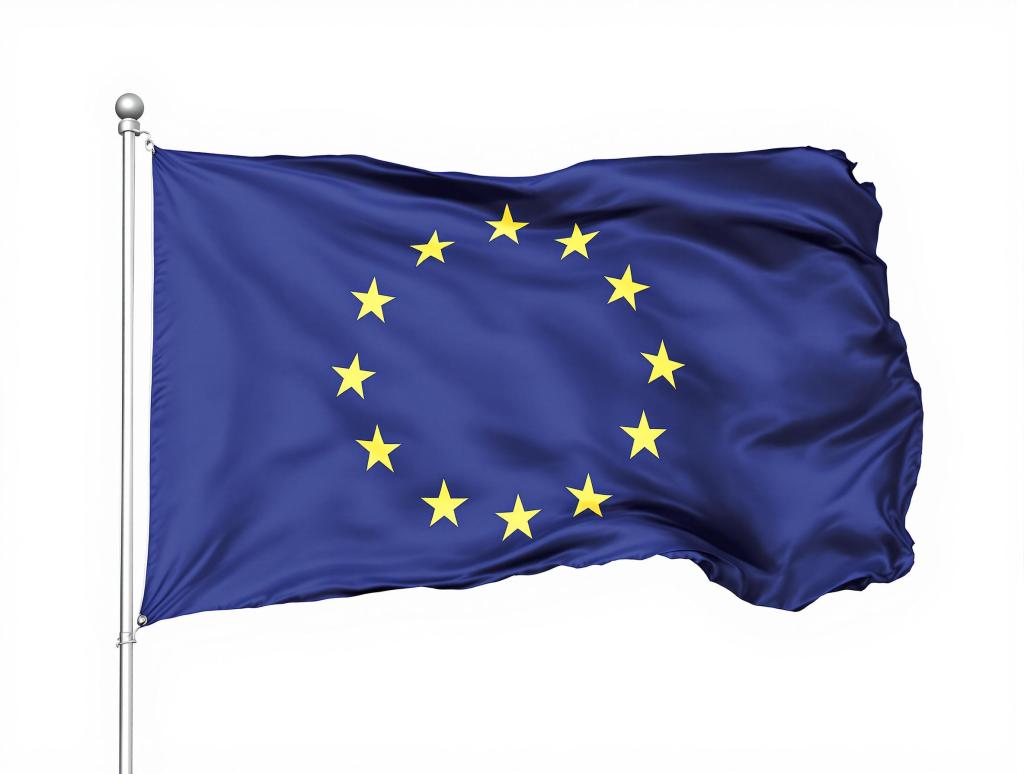
When someone asks « What are European countries? » the answer might seem straightforward at first glance, but Europe’s political and geographical landscape is far more complex than many realize. With 27 countries in the European Union in 2025, plus numerous non-EU European nations, understanding Europe’s composition requires navigating through various political unions, geographical boundaries, and historical contexts.
Europe stands as one of the world’s most politically integrated continents, yet it remains remarkably diverse in terms of governance, culture, and economic systems. From the bustling financial centers of London and Frankfurt to the pristine Nordic landscapes of Iceland and Norway, European countries represent a fascinating tapestry of nations that have shaped global history, politics, and culture for centuries.
This comprehensive guide will explore every aspect of European countries, from EU membership and geographical boundaries to economic partnerships and future expansion plans. Whether you’re planning to travel, study European politics, or simply satisfy your curiosity about this remarkable continent, this article will provide you with everything you need to know about European countries in 2025.
Understanding Europe’s Geographical and Political Boundaries
Defining Europe: Geography vs. Politics
Europe’s boundaries have been debated for centuries, with geographical, cultural, and political definitions often conflicting. Geographically, Europe is bounded by the Atlantic Ocean to the west, the Arctic Ocean to the north, the Mediterranean Sea to the south, and the Ural Mountains to the east. However, political Europe tells a different story.
The distinction between geographical and political Europe becomes particularly important when discussing countries like Turkey, which spans both Europe and Asia, or Russia, which is primarily Asian but has significant European territories. These nuances matter when understanding European organizations and partnerships.
The Concept of European Identity
European identity has evolved significantly over the past century. What defines a European country today involves multiple factors:
- Geographical location within the European continent
- Historical connections to European civilization and culture
- Political alignment with European values and institutions
- Economic integration with European markets and systems
- Cultural heritage rooted in European traditions
This multifaceted definition helps explain why some countries are considered European despite geographical ambiguity, while others with clear geographical positions may have different levels of European integration.
Continental vs. Political Europe
When discussing European countries, it’s crucial to distinguish between continental Europe (all countries geographically located in Europe) and political Europe (countries integrated into European institutions). This distinction affects everything from travel regulations to trade agreements and diplomatic relations.
Continental Europe includes approximately 44-50 countries, depending on how transcontinental countries are classified. Political Europe, however, centers around the European Union and its various partnership agreements, creating a more focused but still complex picture.
The European Union: Core of Modern Europe
Current EU Membership in 2025
The European Union consists of 27 member states in 2025, representing the core of integrated Europe. These countries have achieved the highest level of political and economic integration in human history, sharing a common currency (in most cases), unified trade policies, and coordinated foreign relations.
The 27 EU member states are:
Western Europe:
- Austria
- Belgium
- France
- Germany
- Ireland
- Luxembourg
- Netherlands
Northern Europe:
- Denmark
- Estonia
- Finland
- Latvia
- Lithuania
- Sweden
Southern Europe:
- Cyprus
- Greece
- Italy
- Malta
- Portugal
- Spain
Central and Eastern Europe:
- Bulgaria
- Croatia
- Czech Republic
- Hungary
- Poland
- Romania
- Slovakia
- Slovenia
EU Integration Levels
Not all EU countries participate equally in all European institutions. This variable geometry approach allows for different levels of integration:
Eurozone Countries: 20 EU members use the euro as their currency, facilitating trade and economic coordination.
Schengen Area: Most EU countries participate in the Schengen Agreement, allowing free movement of people across borders. However, EU countries Cyprus and Ireland are not part of the Schengen area.
Defense Cooperation: Various EU members participate in different defense and security arrangements, from NATO membership to EU-specific defense initiatives.
The EU’s Decision-Making Process
Understanding European countries requires grasping how the EU functions. Each member country appoints to the European Commission a European commissioner. The commissioners do not represent their member state, but instead work collectively in the interests of all the member states within the EU.
This supranational approach distinguishes the EU from other international organizations, making it unique in global politics. The EU’s institutions include:
- European Parliament: Directly elected by EU citizens
- European Council: Heads of state and government
- Council of the European Union: Ministers from member states
- European Commission: Executive branch
- Court of Justice of the European Union: Judicial oversight
Non-EU European Countries: Diversity Beyond the Union
EEA and EFTA Members
Not all European countries belong to the EU, but many maintain close relationships through other organizations. There are 30 EEA countries: All 27 EU countries are also EEA countries. Iceland, Liechtenstein and Norway are the only countries in the EEA that are not in the EU.
The European Economic Area (EEA) extends the EU’s single market to non-EU countries, allowing them to participate in European trade while maintaining political independence. This arrangement particularly benefits:
Iceland: Maintains sovereignty while accessing European markets, crucial for its fishing and tourism industries.
Liechtenstein: This microstate benefits from European integration while preserving its unique political system.
Norway: Despite rejecting EU membership twice in referendums, Norway maintains close European ties through the EEA.
Switzerland: A Special Case
Switzerland represents a unique approach to European integration. Non-EU countries in the Schengen Area include Norway, Iceland, Liechtenstein, and Switzerland. Through bilateral agreements, Switzerland participates in many European initiatives while maintaining strict neutrality and independence.
Swiss-EU relations demonstrate how European countries can maintain strong partnerships without full political integration. Switzerland’s approach includes:
- Bilateral sectoral agreements covering specific policy areas
- Schengen participation allowing free movement
- Economic cooperation without political union
- Research collaboration in European programs
The United Kingdom: Brexit and Beyond
As of 2025, the United Kingdom is the only country to have willingly dropped its membership from the European Union. Brexit, completed in 2020, created a new category of European countries: former EU members.
The UK’s post-Brexit relationship with Europe involves:
- Trade and Cooperation Agreement governing economic relations
- Northern Ireland Protocol managing Irish border issues
- Security cooperation through NATO and bilateral agreements
- Research and education partnerships on specific projects
Brexit’s impact extends beyond the UK, influencing European integration debates and demonstrating both the challenges and possibilities of EU membership alternatives.
Eastern European Non-EU Countries
Several Eastern European countries remain outside the EU, each with different relationships to European institutions:
Russia: The largest European country by territory, Russia has complex and often tense relationships with European institutions. Western sanctions and political disagreements have limited Russian integration into European structures.
Ukraine: Currently a candidate for EU membership, Ukraine represents Europe’s most significant potential expansion. The ongoing conflict with Russia has accelerated Ukraine’s European integration efforts.
Belarus: Under authoritarian rule, Belarus has limited European integration, though it maintains some economic ties with EU countries.
Moldova: Another EU candidate country, Moldova balances between European integration and Russian influence.
European Integration Organizations and Partnerships
The Council of Europe
The Council of Europe, distinct from the EU, represents the broadest European organization focused on human rights, democracy, and rule of law. With 46 member states, it includes virtually all European countries except Belarus and several partially recognized states.
The Council of Europe’s significance lies in:
- European Court of Human Rights: Binding human rights jurisdiction
- European Convention on Human Rights: Fundamental rights framework
- Parliamentary Assembly: Democratic oversight and cooperation
- Venice Commission: Constitutional law expertise
NATO: Security Integration
The North Atlantic Treaty Organization provides security integration for many European countries. NATO’s European members include both EU and non-EU countries, creating a security architecture that transcends political boundaries.
NATO’s role in European integration includes:
- Collective defense guarantees under Article 5
- Military standardization and interoperability
- Crisis management capabilities
- Partnership programs with non-members
Regional Organizations
Europe features numerous regional organizations that facilitate cooperation among specific groups of countries:
Nordic Council: Denmark, Finland, Iceland, Norway, and Sweden cooperate on regional issues while maintaining distinct EU relationships.
Visegrád Group: Czech Republic, Hungary, Poland, and Slovakia coordinate policies within the EU framework.
Benelux Union: Belgium, Netherlands, and Luxembourg maintain deeper integration than EU requirements.
Alpine Convention: Mountain countries cooperate on environmental and development issues.
These regional organizations demonstrate how European countries pursue multiple levels of integration simultaneously.
Economic Dimensions of European Countries
The Eurozone: Monetary Integration
Twenty EU countries use the euro as their currency, creating one of the world’s largest economic zones. Eurozone membership requires meeting strict economic criteria and surrendering monetary policy sovereignty to the European Central Bank.
Current Eurozone Members:
- All founding EU members except Denmark (opt-out)
- Most newer EU members (with some exceptions)
- Monaco, San Marino, and Vatican City (through agreements)
Non-Eurozone EU Countries:
- Bulgaria, Croatia, Czech Republic, Hungary, Poland, Romania, Sweden (preparing for adoption or maintaining own currencies)
- Denmark (permanent opt-out)
Economic Partnerships Beyond the EU
European countries maintain various economic relationships outside EU structures:
European Free Trade Association (EFTA): Iceland, Liechtenstein, Norway, and Switzerland maintain this alternative integration path.
Customs Unions: Several non-EU countries maintain customs unions with the EU, including Turkey and San Marino.
Association Agreements: Ukraine, Georgia, and Moldova have signed comprehensive economic agreements with the EU.
Trade and Development Patterns
European countries display diverse economic profiles:
High-Income Developed Countries: Western European nations generally maintain the highest living standards and most developed economies.
Emerging Markets: Central and Eastern European countries continue developing their economies within European frameworks.
Specialized Economies: Countries like Switzerland (financial services), Norway (oil and gas), and Malta (shipping) have developed specialized economic niches.
Transition Economies: Several Eastern European countries continue transitioning from socialist to market economies.
Cultural and Social Dimensions
Language Diversity
Europe’s linguistic diversity reflects its complex history and continued national identities. The EU recognizes 24 official languages, while the continent hosts hundreds of regional and minority languages.
Major Language Families:
- Germanic: German, English, Dutch, Norwegian, Swedish, Danish
- Romance: French, Spanish, Italian, Portuguese, Romanian
- Slavic: Polish, Czech, Slovak, Slovenian, Croatian, Bulgarian
- Celtic: Irish, Welsh, Scottish Gaelic
- Baltic: Lithuanian, Latvian
- Others: Hungarian, Finnish, Estonian, Basque, Maltese
Religious and Cultural Heritage
European countries share certain cultural foundations while maintaining distinct identities:
Christian Heritage: Most European countries have Christian historical backgrounds, though secularization has reduced religious practice in many areas.
Islamic Communities: Several European countries have significant Muslim populations, either through historical presence (Bosnia, Albania) or recent immigration.
Jewish Communities: European Jewish communities, though reduced by historical persecution, continue contributing to European culture.
Secular Societies: Many European countries have become predominantly secular while maintaining cultural traditions.
Social Welfare Systems
European countries pioneered modern social welfare systems, though approaches vary:
Nordic Model: Comprehensive welfare states with high taxation and extensive social benefits.
Continental Model: Employment-based social insurance systems with strong worker protections.
Mediterranean Model: Family-centered welfare systems with targeted government support.
Liberal Model: Market-oriented approaches with selective social interventions.
Current Challenges and Future Developments
EU Enlargement Prospects
As of 2025, the enlargement agenda of the European Union regards three distinct groups of states: Western Balkans: Albania, Bosnia and Herzegovina, Kosovo, Montenegro, North Macedonia, and Serbia. These countries represent the EU’s most immediate expansion possibilities.
Candidate Countries:
- Western Balkans: Six countries at various stages of accession negotiations
- Eastern Europe: Ukraine, Moldova, and Georgia have applied for membership
- Turkey: Negotiations continue despite political obstacles
Potential Members:
- European microstates: Monaco, San Marino, and Vatican City maintain special relationships
- Other European countries: Various scenarios exist for broader European integration
Political Challenges
European countries face several contemporary challenges:
Democratic Backsliding: Some EU members face criticism for weakening democratic institutions and rule of law.
Migration and Integration: Managing migration flows and integrating diverse populations challenges European societies.
Economic Inequality: Disparities between and within European countries create political tensions.
Climate Change: Environmental challenges require coordinated European responses.
Security Threats: Terrorism, cyber attacks, and geopolitical tensions affect European security.
Technological and Innovation Cooperation
European countries increasingly coordinate on technology and innovation:
Digital Single Market: EU efforts to create unified digital markets across member states.
Research Collaboration: Programs like Horizon Europe facilitate scientific cooperation.
Technology Standards: European countries work together on technical standards and regulations.
Artificial Intelligence: Coordinated approaches to AI governance and development.
Practical Information for Understanding European Countries
Travel and Movement
Understanding European countries requires knowing travel requirements and possibilities:
Schengen Area: Non-EU countries in the Schengen Area include Norway, Iceland, Liechtenstein, and Switzerland, allowing free movement across most of Europe.
Visa Requirements: EU citizens can travel freely within the EU, while non-EU citizens face varying requirements.
ETIAS System: New authorization system for visa-free travelers to Europe.
Brexit Impact: Different rules now apply for UK citizens traveling to EU countries.
Education and Exchange
European countries offer extensive educational cooperation:
Erasmus Program: Student exchange program across European universities.
Bologna Process: Harmonization of higher education across Europe.
Language Learning: Emphasis on multilingual education and cultural exchange.
Professional Recognition: Mutual recognition of professional qualifications.
Business and Investment
European countries provide various business environments:
Single Market: EU members benefit from unified business regulations and standards.
Investment Flows: Significant investment between European countries and with external partners.
Start-up Ecosystems: Growing technology and innovation sectors across Europe.
Regulatory Frameworks: Varying business regulations and tax systems.
Frequently Asked Questions
How Many European Countries Are There?
The number of European countries depends on definition criteria. Geographically, Europe contains approximately 44-50 countries, while politically, the EU includes 27 members with various other European organizations having different memberships.
What’s the Difference Between the EU and Europe?
Europe is a continent containing many countries, while the EU is a political and economic union of 27 European countries. Not all European countries are EU members, and some EU policies don’t apply to all members equally.
Can European Countries Leave the EU?
Yes, as demonstrated by Brexit. Article 50 of the Treaty on European Union provides a mechanism for member states to withdraw from the EU, though the process is complex and politically challenging.
Which European Countries Use the Euro?
Twenty EU countries use the euro, plus several non-EU countries through various agreements. Notable EU countries not using the euro include Denmark (opt-out), Sweden, and several Central and Eastern European countries preparing for adoption.
Are All European Countries Democratic?
Most European countries are democratic, but democratic quality varies. Organizations like the Council of Europe and EU monitor democratic standards, though some countries face criticism for democratic backsliding.
What European Countries Are Not in NATO?
Several European countries are not NATO members, including Austria, Cyprus, Finland, Ireland, Malta, Sweden, and Switzerland (neutral countries), plus various Eastern European countries with different security arrangements.
Resources for Further Learning
Official Sources
- European Union Official Website: europa.eu
- Council of Europe: coe.int
- European Parliament: europarl.europa.eu
- European Central Bank: ecb.europa.eu
Academic Resources
- European University Institute: eui.eu
- College of Europe: coleurope.eu
- European Studies Programs: Various universities offer specialized programs
Think Tanks and Research Organizations
- European Policy Centre: epc.eu
- Centre for European Policy Studies: ceps.eu
- Bruegel: bruegel.org
- European Council on Foreign Relations: ecfr.eu
News and Analysis
- EUobserver: euobserver.com
- POLITICO Europe: politico.eu
- European Voice: Various European publications provide ongoing coverage
Travel and Cultural Resources
- European Travel Information: Official tourism websites
- Cultural Institutions: Museums, cultural centers, and educational institutions
- Language Resources: European language learning programs and resources
Conclusion
European countries represent one of the world’s most complex and fascinating political landscapes. From the highly integrated European Union to the diverse array of non-EU European nations, understanding Europe requires appreciating both unity and diversity, cooperation and sovereignty, shared values and distinct identities.
The 27 countries in the European Union form the core of integrated Europe, but the continent’s story extends far beyond EU membership. Countries like Norway, Switzerland, and Iceland demonstrate alternative paths to European cooperation, while emerging nations in Eastern Europe and the Balkans represent the future of European expansion.
The concept of European countries continues evolving as political, economic, and social integration deepens in some areas while maintaining national distinctiveness in others. Brexit showed that European integration isn’t irreversible, while ongoing enlargement negotiations demonstrate continued attraction to European institutions.
For travelers, students, business professionals, and curious observers, understanding European countries requires recognizing this complexity. Europe’s strength lies not in uniformity but in its ability to unite diverse nations around shared values while preserving distinct national characteristics.
Whether you’re planning to visit Europe, study its politics, conduct business across its borders, or simply understand global affairs, appreciating the nuanced relationships between European countries provides essential insights into one of the world’s most influential regions. The story of European countries continues unfolding, shaped by historical legacies, contemporary challenges, and future aspirations that will define the continent for generations to come.
As Europe faces new challenges from climate change to technological transformation, from migration to security threats, the relationships between European countries will undoubtedly continue evolving. Understanding these dynamics today provides the foundation for comprehending Europe’s role in tomorrow’s global landscape.
This article provides a comprehensive overview of European countries as of 2025. For the most current information on specific countries or recent developments, consult official government sources and recent news reports.
 247 path learner
Laisser un commentaire